
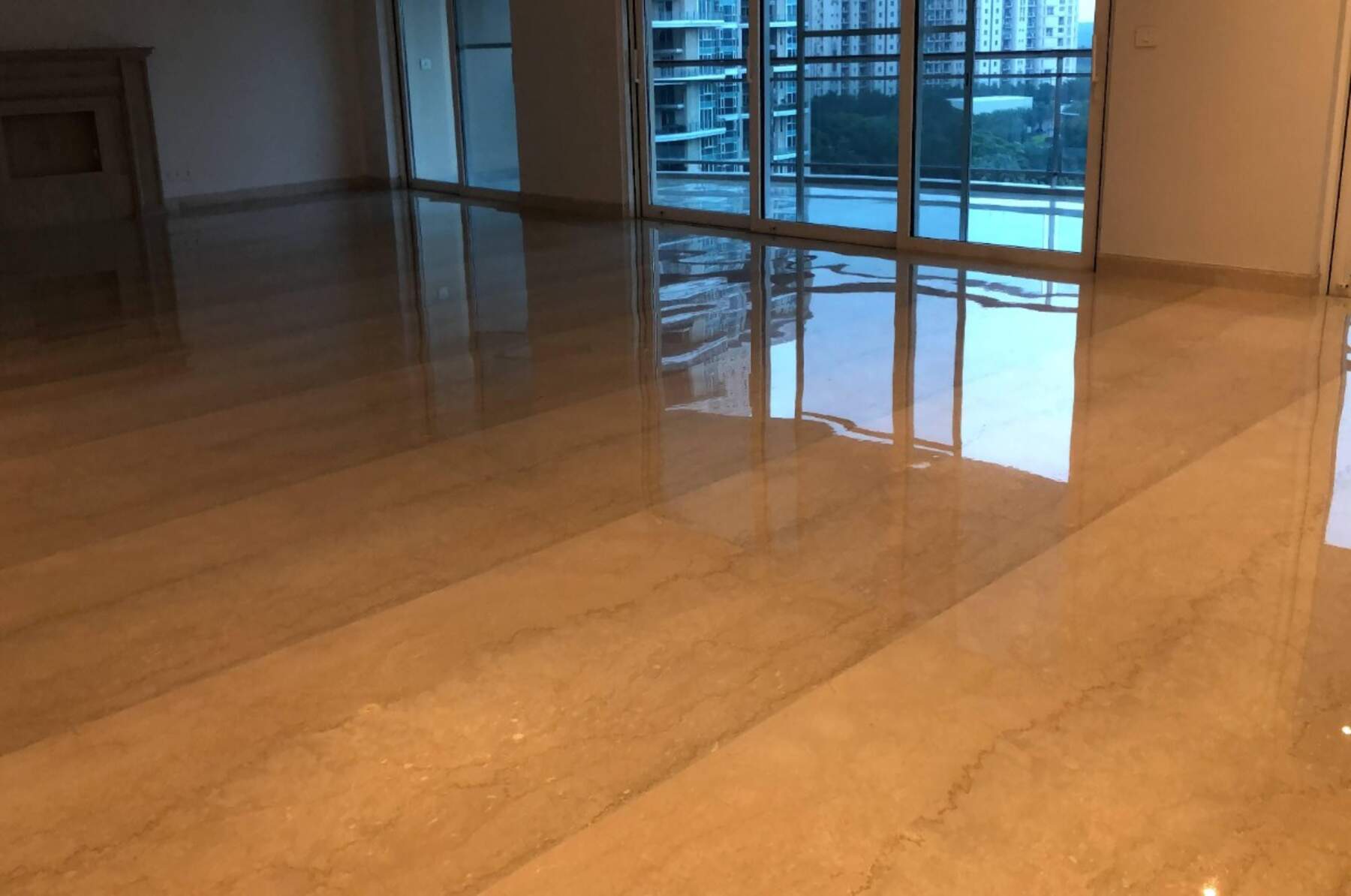
Marble is a metamorphic rock, meaning it was once limestone that changed under heat and pressure. Despite its hard appearance, it is essentially a hard sponge. It has an intricate network of pores that will happily absorb wine, coffee, oil, and dirt. The only barrier between your expensive stone and permanent damage is a high-quality impregnating sealer.
Topical vs. Impregnating Sealers
It is vital to understand the difference. Topical sealers sit on top of the stone like a layer of wax or acrylic. While they are cheap and shiny, they look plastic, they scuff easily, and they prevent the stone from "breathing," which can eventually cause the stone to crack or spall.
Impregnating (Penetrating) Sealers are the professional choice. These liquids soak into the stone and coat the interior capillaries. They do not change the look or shine of the floor. Instead, they act as a repellent. When water or oil touches the surface, the sealer prevents it from soaking deep into the pore, giving you time to wipe it up.
How Often Should You Seal?
The frequency of sealing depends on the traffic and the type of stone. For a high-traffic hotel lobby, we recommend sealing every 6 to 12 months. For a residential foyer or kitchen, every 1 to 2 years is usually sufficient.
The Water Test: You don't need a professional to tell you if your seal is broken. Pour a teaspoon of water on your floor. Wait 15 minutes.
1. If the water beads up like a fresh car wax: Your seal is good.
2. If the stone under the water turns dark: The stone is absorbing liquid. You need to reseal immediately.
Remember: Sealing does not make marble stain-proof; it makes it stain-resistant. It buys you reaction time. You still need to wipe up spills immediately, but a good sealer ensures that a spilled glass of wine doesn't become a permanent pink memory on your floor.